Learn the early warning signs of concrete slab leaks in Rogers, AR, how clay soil causes pipe breaks, and non-invasive acoustic diagnostic solutions. Call (479) 394-9638.
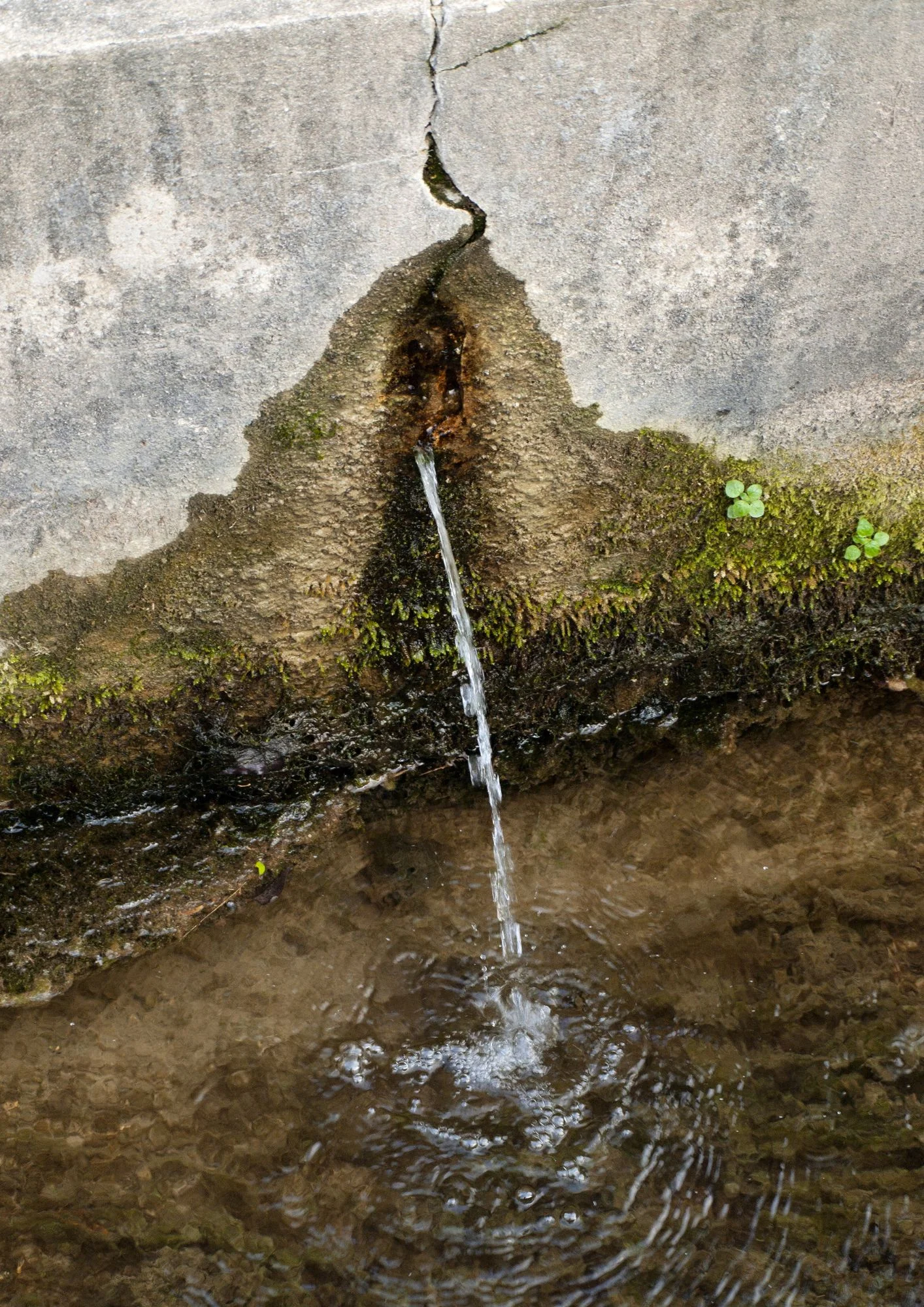
For homeowners in Rogers, Arkansas, concrete slab-on-grade foundations are the architectural standard. While concrete slabs provide exceptional structural stability, they also encase your property's pressurized hot and cold water supply lines beneath inches of steel-reinforced concrete. When one of these buried pipes corrodes, shifts, or develops a pinhole fracture, the resulting leak is completely invisible from the surface.
If left undetected, an active subterranean slab leak releases thousands of gallons of water into the sub-base beneath your home. This undermines structural fill, causes foundation settling, warps expensive hardwood flooring, and generates massive utility bills. At Rogers Leak Detection and Plumbing Pros, our licensed Master Plumbers specialize in non-destructive slab leak detection and repair across Rogers and surrounding Northwest Arkansas communities.
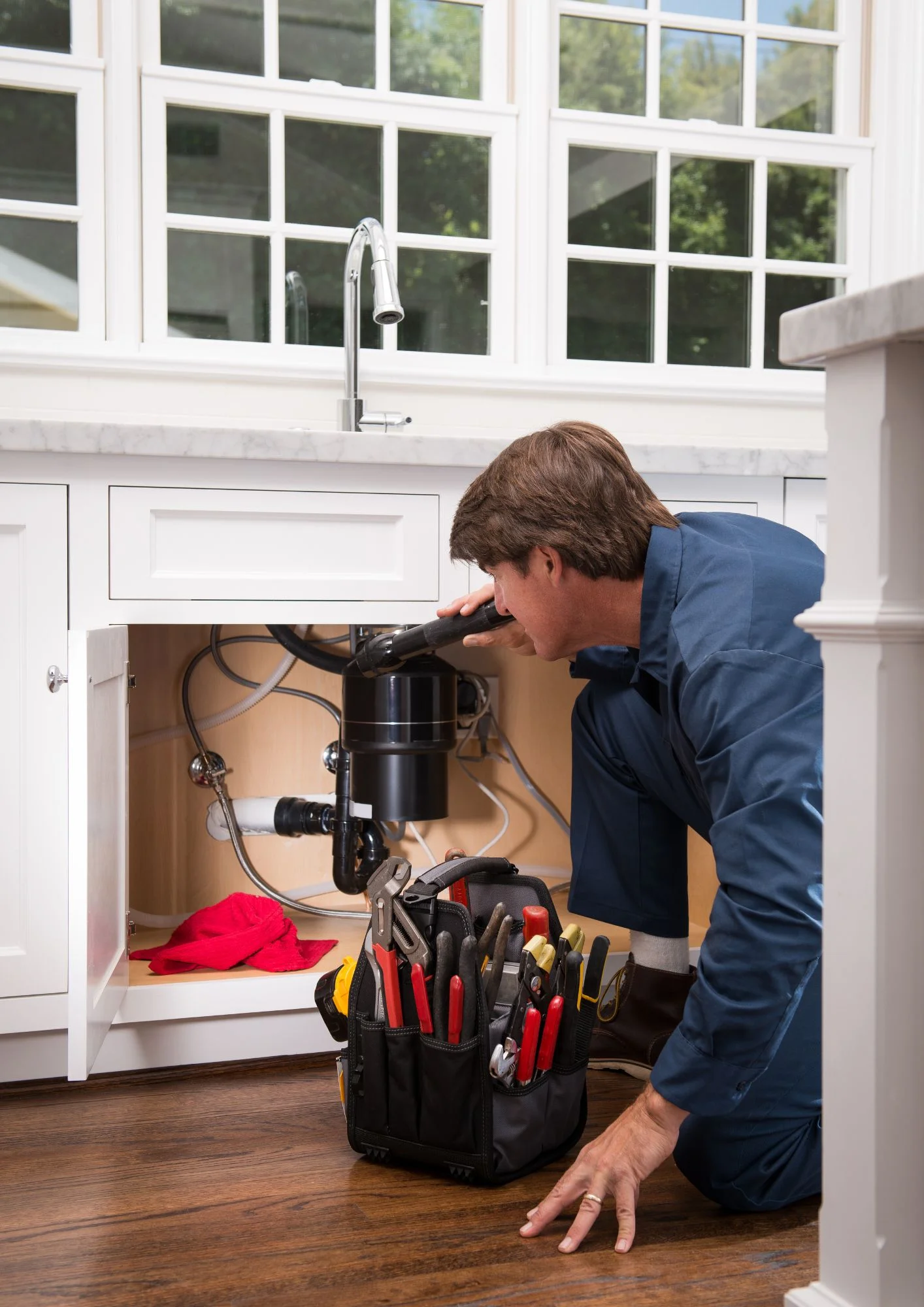
Plumbing infrastructure in Northwest Arkansas operates under severe environmental stresses. Understanding these geological factors helps explain why slab leaks are so prevalent in local subdivisions:
The soil across Benton County contains dense montmorillonite clay. During rainy Arkansas springs, this clay absorbs moisture and expands dramatically, exerting immense upward hydrostatic pressure on concrete foundations. During hot summer dry spells, the clay contracts, leaving voids beneath slabs. This continuous cyclic movement causes pipes embedded in or beneath the slab to flex and rub against coarse aggregate, wearing through copper walls.
Rapid commercial and residential growth in west Rogers—including neighborhoods like Pinnacle Hills and corridors along Interstate 49—requires city water utilities to pump distribution lines at high pressures (often 90 to 110+ PSI). Elevated pressure exacerbates pipe friction, causing weak joints and thin copper sections to fail prematurely.
Hot water supply lines experience constant thermal expansion and contraction cycles as hot water flows and cools. Over decades, this microscopic movement against surrounding concrete gravel creates friction wear points known as vibration leaks.
Recognizing the subtle early warning signs of a subterranean pipe breach is essential for protecting your property from extensive foundation damage:
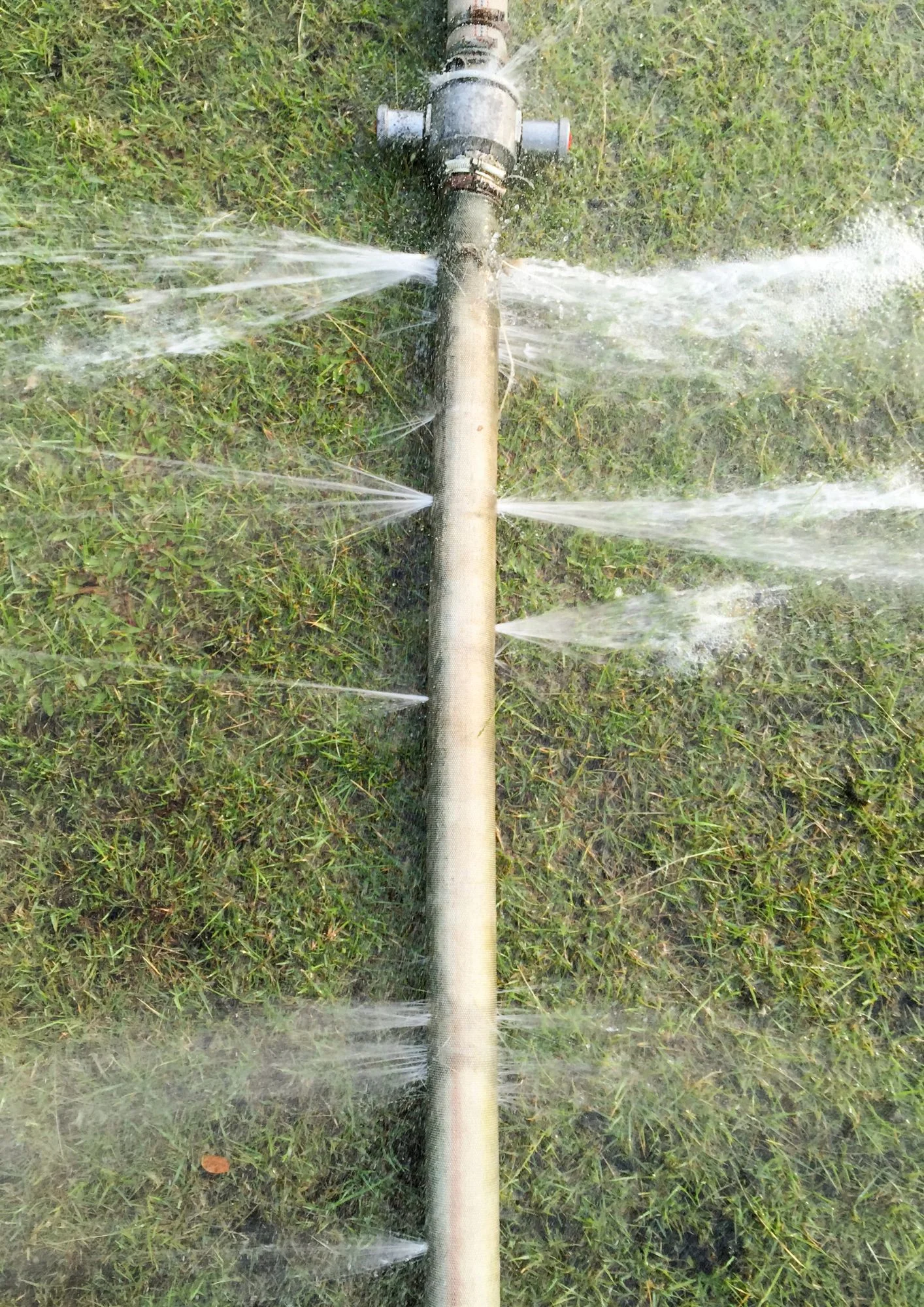
Historically, finding a slab leak involved invasive trial-and-error demolition with jackhammers. Today, Rogers Leak Detection and Plumbing Pros utilizes state-of-the-art non-invasive diagnostic technology:

Once the break is located, our licensed master plumbers determine the safest, most cost-effective repair strategy for your home:
Instead of breaking through your living room tile or custom hardwood floors, we disconnect the compromised subterranean line and engineer an overhead bypass through the attic or ceiling joists using flexible, freeze-resistant Uponor PEX-a expansion piping. This non-invasive method preserves 100% of your flooring, eliminates future under-slab failure risks, and includes a 25-year manufacturer warranty.
If a leak occurs on a short branch line near a utility closet or garage, our team executes a surgical single-tile access cut, repairs the copper line with silver-brazed fittings, encapsulates the repair against soil contact, and seals the foundation concrete back to code.

If you suspect a foundation slab leak in your home or commercial property, do not wait for structural cracks or foundation erosion to occur. Contact Rogers Leak Detection and Plumbing Pros at (479) 394-9638 for rapid 24/7 master plumber dispatch across Rogers, Shadow Valley, Downtown Rogers, and Bentonville.
Explore related engineering guides written by our Arkansas Master Plumbers to protect your property investment.
Why rapid development causes pressure spikes exceeding 100 PSI and how PRVs protect plumbing appliances.
Read Full GuideEngineering comparison of 4,000 PSI high-velocity water jetting versus mechanical augers for tree roots and grease.
Read Full Guide